How Natural Pigments Are Born
A Journey from Plant to Palette
The Transformation Process
Every color begins with a plant. Through careful extraction and traditional techniques, we transform botanical materials into vibrant pigments ready for artistic expression.
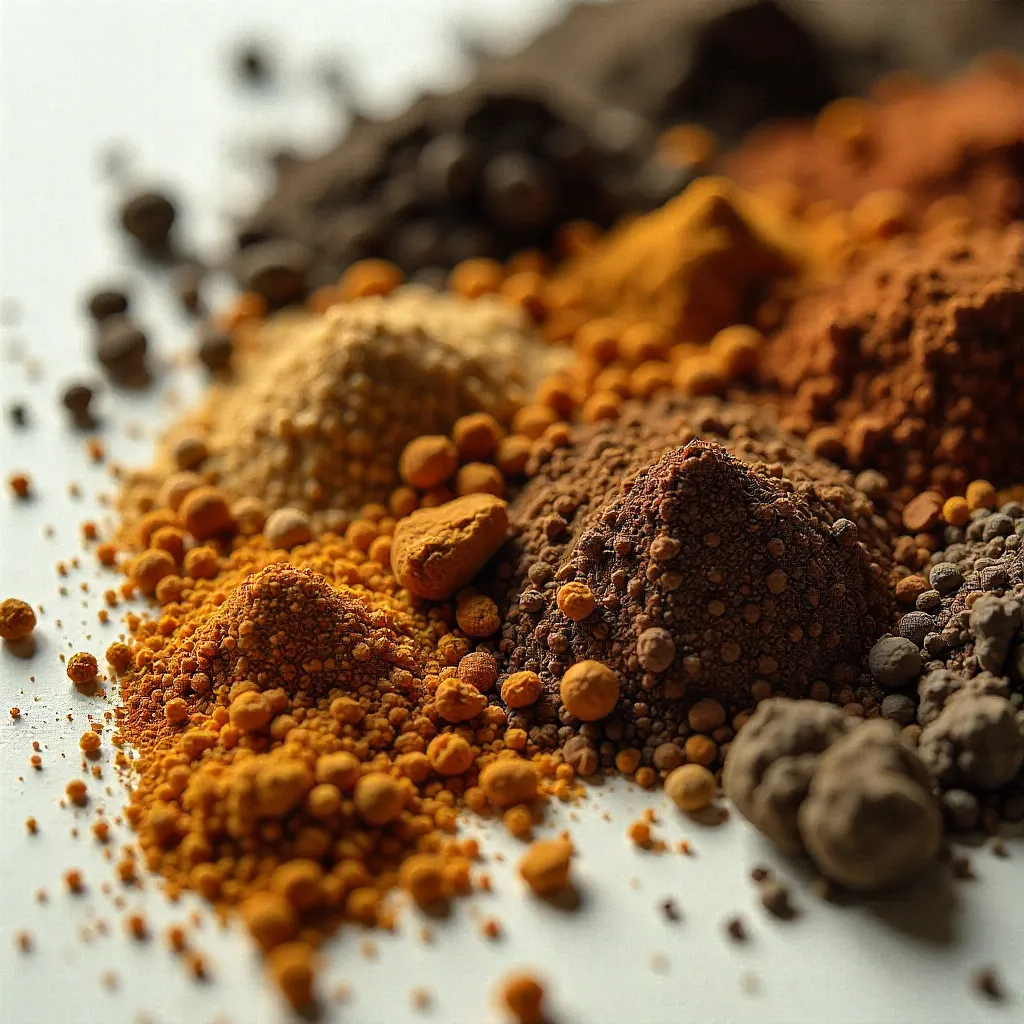
Madder Roots
Madder roots contain alizarin, a compound that produces rich reds and pinks. The roots are harvested after three years of growth, when the color compounds are at their peak concentration.
Extraction Method
Roots are dried, crushed, and soaked in water. The solution is then heated gently to release the color compounds. Multiple extraction cycles ensure maximum pigment yield.
Lightfastness Rating
Excellent (8/10). Madder reds maintain their vibrancy for decades when properly prepared and stored away from direct sunlight.
Color Variations
Depending on the extraction method and mordant used, madder can produce colors ranging from pale pink to deep burgundy, with warm orange undertones.
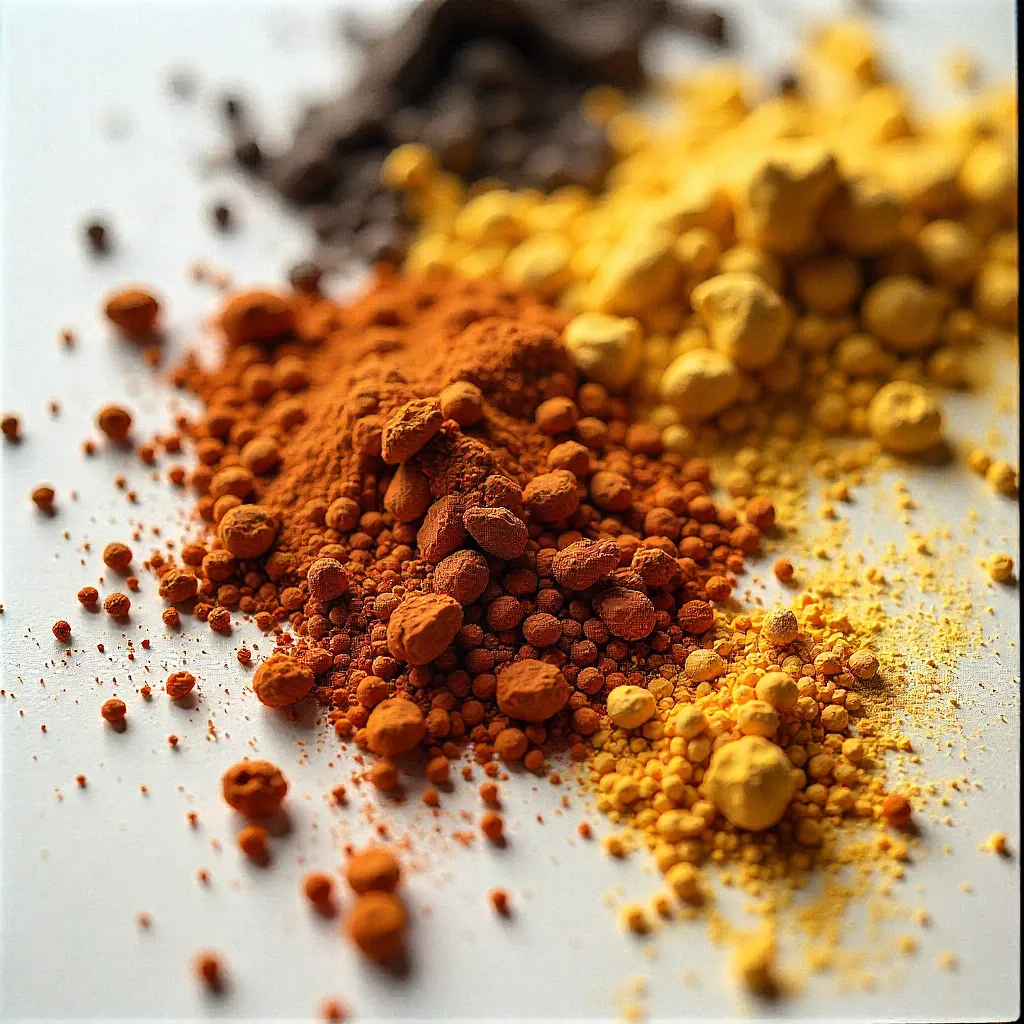
Turmeric Rhizomes
The vibrant yellow of turmeric comes from curcumin, a natural compound found in the rhizomes. This spice has been used for both culinary and artistic purposes for thousands of years.
Extraction Method
Fresh or dried rhizomes are ground into powder or soaked in alcohol or water. The curcumin dissolves readily, creating bright yellow solutions perfect for watercolor and ink making.
Lightfastness Rating
Moderate (5/10). Turmeric yellows fade over time when exposed to light, making them ideal for temporary artworks or pieces displayed in low-light conditions.
Color Variations
Turmeric produces warm, golden yellows. When mixed with other natural pigments, it creates beautiful oranges and greens. The intensity varies based on concentration and extraction method.
Woad & Indigo Fermentation
The process of creating blue from woad and indigo is one of nature's most fascinating transformations. Through fermentation, colorless compounds become vibrant blue pigments.
Fermentation Process
Leaves are harvested and placed in vats with water. Natural fermentation breaks down the plant material, releasing indican. When exposed to air, indican oxidizes into indigo blue.
Lightfastness Rating
Excellent (9/10). Indigo is one of the most lightfast natural blues, maintaining its depth and richness for centuries in historical textiles and artworks.
Color Variations
Indigo can range from pale sky blue to deep midnight navy. Multiple dips in the dye vat create progressively darker shades. The final color depends on the number of applications and the specific plant variety used.
Walnut Husk Ink
Walnut husks contain tannins that create rich, warm brown inks. This traditional method produces colors that range from light sepia to deep chocolate brown.
Extraction Method
Green walnut husks are collected and crushed. They're then boiled in water to extract tannins. The resulting liquid is filtered and can be used directly as ink or further concentrated.
Lightfastness Rating
Good (7/10). Walnut ink darkens slightly over time but remains stable. Historical documents written with walnut ink have survived for centuries.
Color Variations
Fresh walnut ink appears light brown but darkens as it oxidizes. The final color depends on the age of the husks, extraction time, and whether additional iron salts are added for deeper tones.
Chlorophyll Greens
Green pigments from plants like nettles, spinach, and other leafy greens offer a range of natural green tones. While challenging to extract, they provide unique colors not easily achieved with other natural sources.
Extraction Method
Fresh leaves are crushed and the chlorophyll is extracted using alcohol or specialized solvents. The green pigment is then separated and concentrated. Some methods use heat to modify the color.
Lightfastness Rating
Fair (4/10). Chlorophyll-based greens are sensitive to light and may fade or shift toward yellow over time. Best used for temporary works or mixed with more stable pigments.
Color Variations
Chlorophyll greens range from bright, fresh greens to olive tones. Different plant sources produce varying shades, and the extraction method significantly affects the final color intensity and hue.
The Art of Color Creation
Each pigment tells a story of transformation. From the moment a plant is harvested to the final application on paper or fabric, the journey from botanical material to artistic medium is both science and art.